What This Page Covers
This page provides an in-depth look into the process and significance of turning stock comparison data into actionable insights. Aiming to help readers navigate the world of financial data analysis, this guide focuses on the utilization of publicly available data, contextual understanding, and essential considerations involved in interpreting stock comparison data.
Understanding Turning Stock Comparison Data Into Insights
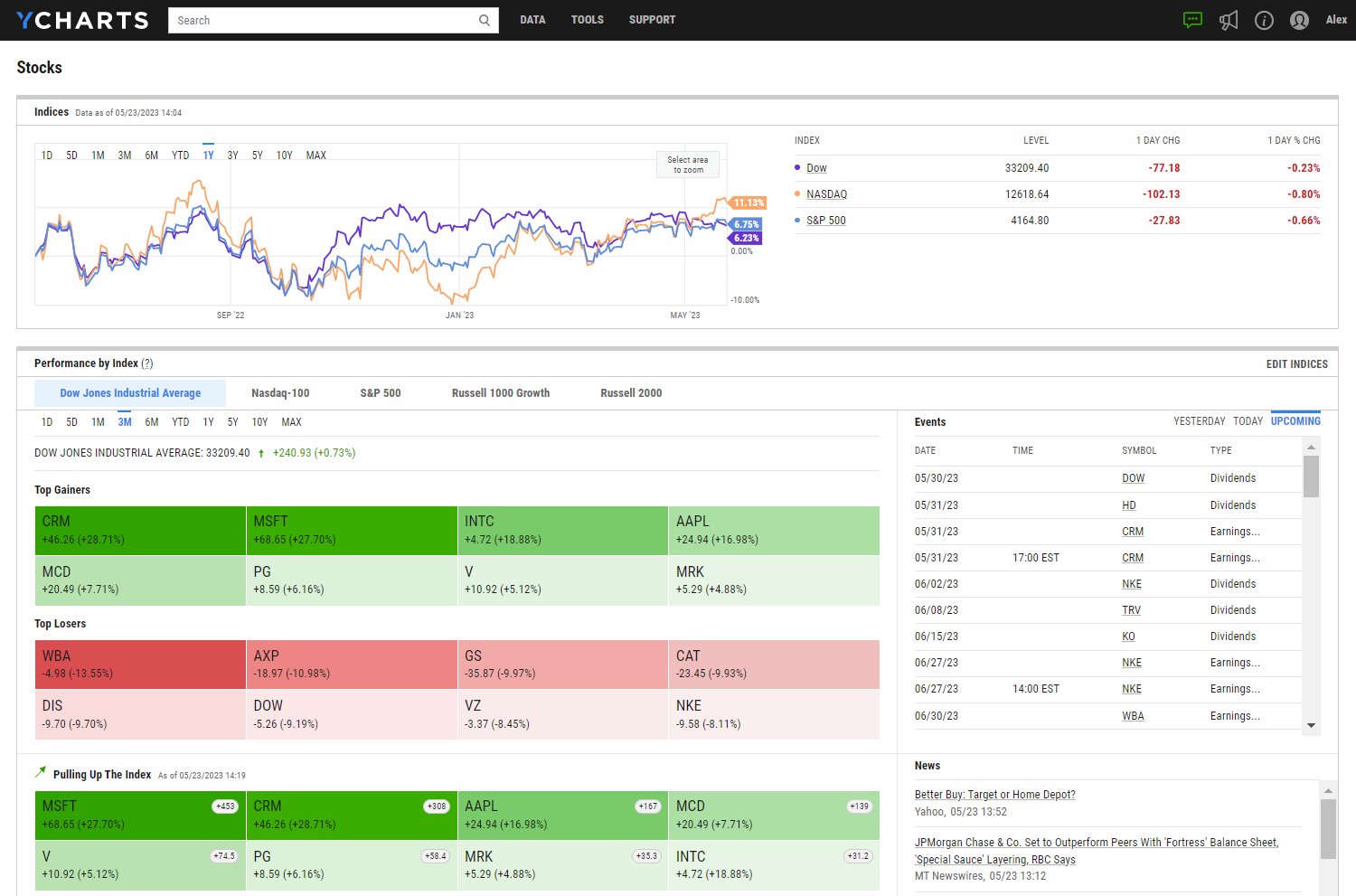
Turning stock comparison data into insights is a strategic process that involves analyzing, comparing, and interpreting data related to different stocks. This process helps investors, analysts, and other market participants derive meaningful information from raw data, aiding them in making informed investment decisions. People often search for this topic to gain a better understanding of how to decode complex stock data, comprehend market trends, and identify potential investment opportunities.
Key Factors to Consider
When turning stock comparison data into insights, factors such as historical performance, financial ratios, market volatility, sector trends, and company fundamentals are typically considered. The analysis of these aspects provides a comprehensive understanding of a stock’s potential and the overall market condition. It’s important to remember that the interpretation of these factors is subjective and should be based on individual investment objectives and risk tolerance.
Common Scenarios and Examples
Consider a scenario where an investor is looking to invest in the technology sector. By comparing the stock data of various tech companies, the investor can derive insights into which company is performing better in terms of revenue growth, profit margins, market share, and other key indicators. These insights can guide the investor in choosing the most promising stock. Remember, such analyses do not guarantee success but provide a data-driven basis for making investment decisions.
Practical Takeaways for Readers
- Stock comparison data provides a wealth of information, but it’s essential to understand how to interpret it correctly to derive meaningful insights.
- Just comparing the numbers is not enough; understanding the context and the influencing factors is crucial for accurate interpretation.
- Resources for independent review include financial news portals, company annual reports, SEC filings, and financial analysis tools.
Important Notice
The content provided herein is for informational purposes only and does not constitute financial or investment advice. Readers are encouraged to conduct their own research or consult with a qualified professional before making any investment decisions.
Frequently Asked Questions
What is Turning Stock Comparison Data Into Insights?
Turning stock comparison data into insights is a process of analyzing, comparing, and interpreting the data related to different stocks to make informed investment decisions.
Why is Turning Stock Comparison Data Into Insights widely discussed?
This topic is widely discussed because it forms the basis of data-driven investment strategies, helping investors make informed decisions.
Is Turning Stock Comparison Data Into Insights suitable for everyone to consider?
While anyone can learn to interpret stock comparison data, it’s crucial to understand that investing involves risks. Individual circumstances, investment objectives, and risk tolerance should guide investment decisions.
Where can readers learn more about Turning Stock Comparison Data Into Insights?
Readers can gain more insights from reputable financial publications, official company filings, stock market analysis tools, and financial news portals.
Understanding complex financial topics such as turning stock comparison data into insights requires time, patience, and thoughtful evaluation. Staying informed, asking the right questions, and maintaining a long-term perspective can help readers make more confident and informed investment decisions.