What This Page Covers
This page provides a comprehensive overview of Tracking Comparative Performance Metrics, emphasizing on the publicly accessible data, contextual understanding, and widely debated considerations. The primary objective is to assist readers in gaining a clear and objective understanding of this topic.
Understanding Tracking Comparative Performance Metrics
Tracking Comparative Performance Metrics involves the measurement and comparison of the financial performance of different entities, such as companies or investment portfolios, over a specific period. This tracking aims to identify trends, evaluate efficiency, and gauge financial health. Individuals and organizations use these metrics to make informed decisions in various financial and market-related contexts, such as investment strategy development, risk assessment, and performance benchmarking.
Key Factors to Consider
When Tracking Comparative Performance Metrics, it’s important to consider factors such as the time frame for comparison, the nature of the entities being compared, the selection of performance metrics, and the broader market and economic conditions. These considerations play a significant role in the interpretation of the comparative performance data and subsequently influence decision-making.
Common Scenarios and Examples
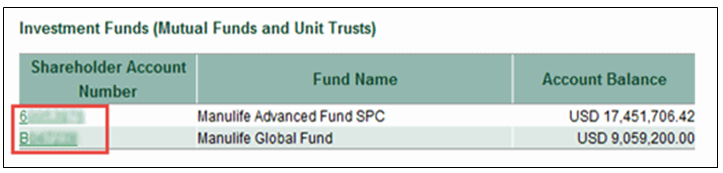
Consider an investor comparing the performance of two mutual funds before making an investment decision. They may track and compare key performance metrics such as the return on investment (ROI), risk-adjusted returns, and expense ratios over a certain period. This comparative analysis can help the investor make a more informed decision based on their investment goals and risk tolerance. Remember, these scenarios are not predictive or guarantees of future performance.
Practical Takeaways for Readers
- Performance metrics should be selected and interpreted in the context of the investment or financial decision at hand.
- Tracking Comparative Performance Metrics does not guarantee future performance or risk mitigation.
- Readers should review official financial statements, audited reports, and other reputable sources for reliable data.
Important Notice
This content is purely informational and does not constitute financial or investment advice. Readers should conduct their own due diligence or consult with a qualified professional before making any decisions.
Frequently Asked Questions
What is Tracking Comparative Performance Metrics?
Tracking Comparative Performance Metrics is the process of measuring and comparing the financial performance of various entities over a specific period.
Why is Tracking Comparative Performance Metrics widely discussed?
This topic is widely discussed due to its significant role in financial decision-making processes, including investment strategy creation, risk assessment, and performance benchmarking.
Is Tracking Comparative Performance Metrics suitable for everyone to consider?
While Tracking Comparative Performance Metrics is a valuable tool, its suitability depends on individual circumstances, financial goals, and risk tolerance.
Where can readers learn more about Tracking Comparative Performance Metrics?
Readers can learn more about this topic from official financial filings, company reports, and reputable financial publications.
Gaining a thorough understanding of complex topics like Tracking Comparative Performance Metrics requires time and careful evaluation. Staying informed, asking the right questions, and maintaining a long-term perspective can help readers make more confident decisions over time.