What This Page Covers
This page provides an informational overview of Cross-Sector Stock Comparison Guide, focusing on publicly available data, context, and commonly discussed considerations. It is designed to help readers understand the topic clearly and objectively.
Understanding Cross-Sector Stock Comparison Guide
Cross-Sector Stock Comparison is a method used by investors and financial analysts to compare and contrast stocks across different sectors. This approach allows for a more comprehensive view of the market, helping to identify trends, risks, and opportunities that may not be apparent when looking at stocks within a single sector. People search for this information to make more informed investment decisions and to diversify their portfolios. In financial and market-related contexts, cross-sector stock comparison is often discussed in terms of its ability to reveal hidden correlations, expose sector-based risks, and indicate market sentiment.
Key Factors to Consider
When conducting a cross-sector stock comparison, there are several key factors to consider. These include sector performance, relative valuation, correlation with market indexes, and economic factors. Sector performance can reveal trends and potential opportunities, while relative valuation can provide insights into the perceived value of stocks across different sectors. Correlation with market indexes can show how closely a sector follows broader market trends, and economic factors can affect different sectors in different ways.
Common Scenarios and Examples
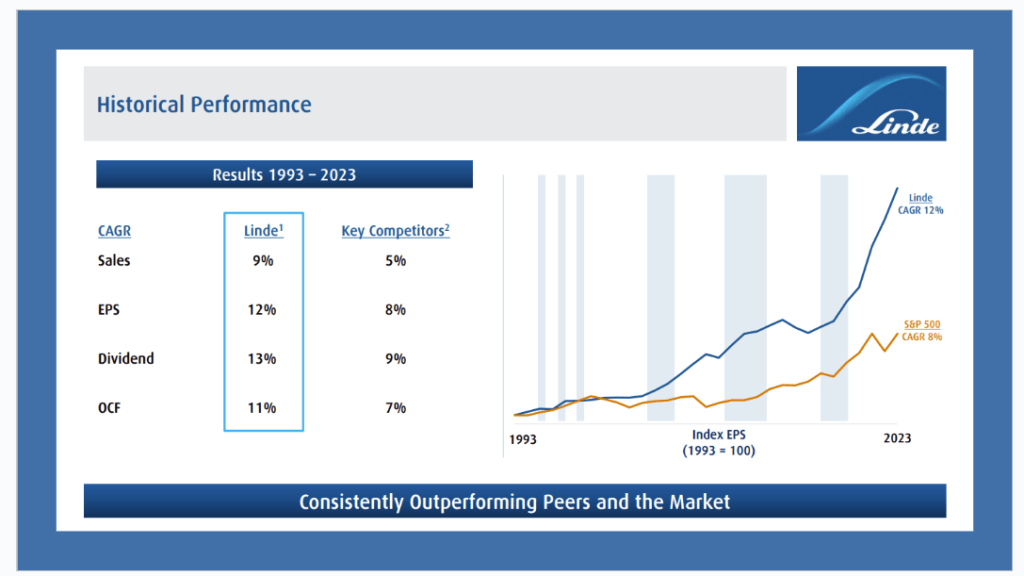
For instance, an investor might use cross-sector stock comparison to identify sectors that are outperforming or underperforming the market as a whole. This could lead them to invest in high-performing sectors or to avoid sectors that are underperforming. Alternatively, an investor might use cross-sector comparison to diversify their portfolio, investing in stocks from sectors that are less correlated with each other in order to reduce risk.
Practical Takeaways for Readers
- It’s important to remember that past performance is not indicative of future results, and it’s crucial to consider a variety of factors when comparing stocks across sectors.
- While cross-sector comparison can reveal important insights, it’s not a guarantee of success. It’s also important to consider individual company performance and other factors.
- Readers can use financial news sites, stock market databases, and official company filings to conduct their own cross-sector stock comparisons.
Important Notice
This content is for informational purposes only and does not constitute financial or investment advice. Readers should conduct their own research or consult qualified professionals before making decisions.
Frequently Asked Questions
What is Cross-Sector Stock Comparison Guide?
The Cross-Sector Stock Comparison Guide is a method used by investors and financial analysts to compare and contrast stocks across different sectors.
Why is Cross-Sector Stock Comparison Guide widely discussed?
This guide is widely discussed because it provides a comprehensive view of the market, helping to identify trends, risks, and opportunities that may not be apparent when looking at stocks within a single sector.
Is Cross-Sector Stock Comparison Guide suitable for everyone to consider?
While the guide can be a valuable tool, its suitability depends on individual circumstances, financial goals, and risk tolerance. Always consult with a financial advisor or do your own research before making investment decisions.
Where can readers learn more about Cross-Sector Stock Comparison Guide?
Readers can learn more about cross-sector stock comparison by reviewing financial news sites, stock market databases, official company filings, and financial textbooks.
Understanding complex topics takes time and thoughtful evaluation. Staying informed, asking the right questions, and maintaining a long-term perspective can help readers make more confident decisions over time.