What This Page Covers
This page provides an in-depth overview of the crucial metrics that matter the most in volatile markets. It offers a comprehensive look at publicly available data, contextual information, and commonly discussed factors. This guide aims to help readers understand the topic in a clear, objective, and insightful manner.
Understanding Metrics That Matter Most in Volatile Markets
The term “Metrics That Matter Most in Volatile Markets” refers to the specific financial indicators that investors and analysts pay close attention to during periods of significant market fluctuation. These metrics, which may include volatility indexes, liquidity ratios, and market sentiment indicators, are important because they provide insights into market dynamics and potential investment risks and opportunities. They are commonly discussed in financial and market-related contexts to aid in decision-making and risk management.
Key Factors to Consider
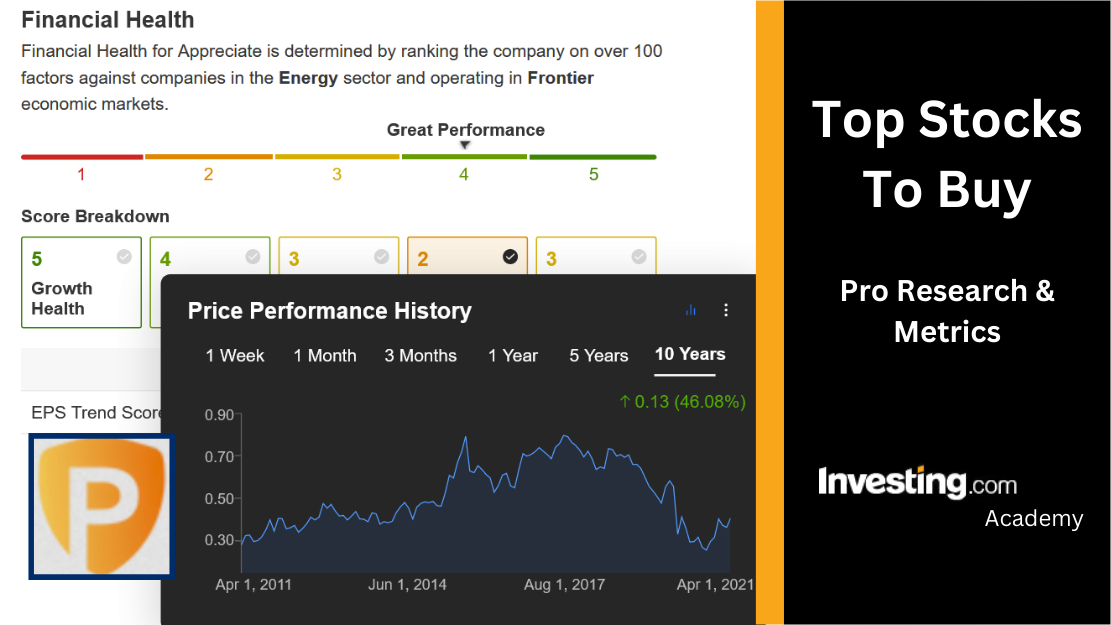
When focusing on Metrics That Matter Most in Volatile Markets, it’s crucial to consider multiple factors. These may include the current economic climate, the performance of different market sectors, changes in market sentiment, and shifts in monetary policy. It’s also important to monitor indicators of volatility like the VIX Index, and liquidity ratios like the Current Ratio, as they provide insights into market stability and companies’ ability to meet short-term obligations.
Common Scenarios and Examples
For instance, during a period of market volatility, an investor might closely monitor the VIX Index, also known as the ‘fear gauge,’ to assess market risk and fear. Another investor might concentrate on liquidity ratios of companies within their portfolio to ensure they can withstand financial instability. These real-world scenarios illustrate the practical application of these crucial metrics in volatile markets.
Practical Takeaways for Readers
- It’s essential to understand that volatility in markets is not always a sign of impending downfall; it can present investment opportunities as well.
- Not all metrics are equally important in all market conditions. The relevance of metrics can change with market volatility.
- Investors are recommended to review economic forecasts, market analysis, and company reports to stay informed.
Important Notice
The content provided here is for informational purposes only and does not constitute financial or investment advice. We strongly encourage readers to conduct their own research or consult a qualified professional before making any investment decisions.
Frequently Asked Questions
What are Metrics That Matter Most in Volatile Markets?
These are key financial indicators that investors and analysts focus on during periods of significant market fluctuation to make informed investment decisions.
Why are Metrics That Matter Most in Volatile Markets widely discussed?
These metrics are vital as they provide insights into market dynamics, potential investment risks, and opportunities, especially during periods of market instability.
Are Metrics That Matter Most in Volatile Markets suitable for everyone to consider?
While they provide valuable insights, interpreting these metrics requires a sound understanding of financial markets. Therefore, they might not be suitable for novice investors without proper guidance.
Where can readers learn more about Metrics That Matter Most in Volatile Markets?
Readers can learn more from official economic reports, company filings, and reputable financial publications like The Wall Street Journal or Bloomberg.
Navigating through complex financial topics requires time, patience, and a thorough analysis. Staying informed, asking the right questions, and maintaining a long-term perspective can help readers make more confident and informed decisions over time.