What This Page Covers
This page provides a comprehensive guide on how to compare large-cap and small-cap stocks. The content focuses on publicly available data, contextual information, and commonly discussed considerations in the financial industry. This information aims to help readers understand the topic clearly and objectively.
Understanding How to Compare Large-Cap and Small-Cap Stocks
Large-cap and small-cap stocks represent companies with large and small market capitalizations, respectively. When comparing these two types of stocks, investors typically look at historical performance, risk and return profiles, and economic and business cycle considerations. This comparison is crucial in portfolio diversification and risk management. It’s commonly discussed in financial and market-related contexts due to its significant influence on investment decisions.
Key Factors to Consider
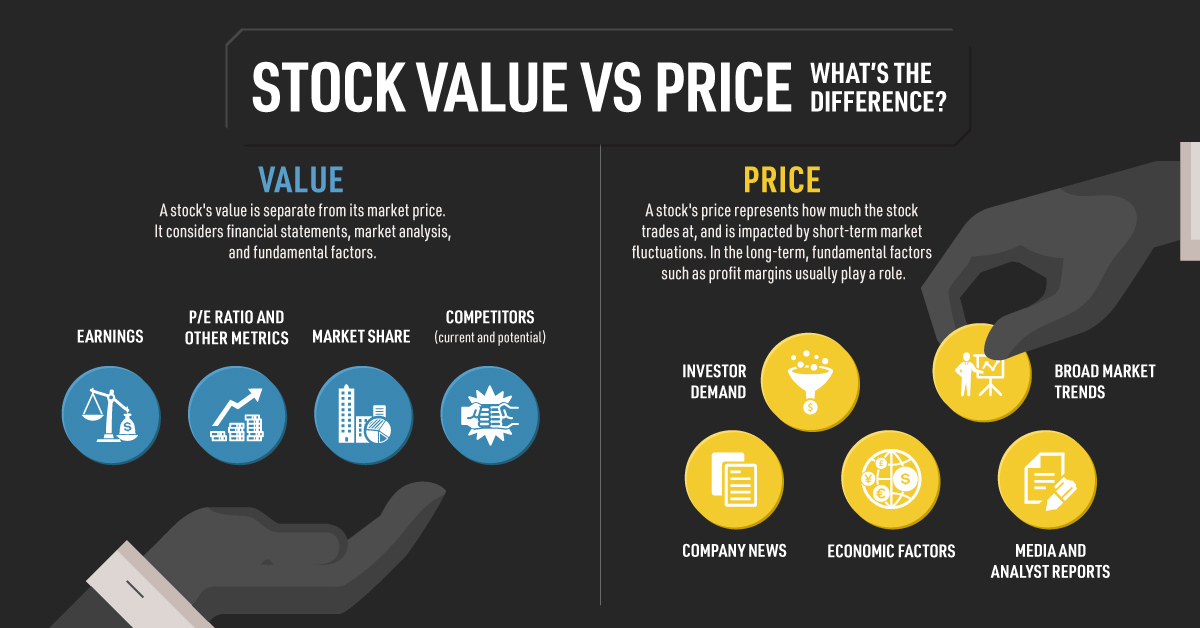
When comparing large-cap and small-cap stocks, investors usually consider several key factors. These include the company’s financial health, industry position, growth potential, and the stock’s price-to-earnings ratio. Other considerations include the influence of economic conditions and business cycles on the company’s performance and the stock’s liquidity and volatility.
Common Scenarios and Examples
For instance, during an economic expansion, small-cap stocks often outperform large-cap stocks due to their higher growth potential. However, in downturns, large-cap stocks may be more resilient due to their established market presence and stable revenues. These scenarios illustrate how economic conditions can influence the performance of large-cap and small-cap stocks differently.
Practical Takeaways for Readers
- Large-cap stocks are typically more stable but may offer lower growth potential compared to small-cap stocks.
- Contrary to popular belief, neither large-cap nor small-cap stocks are inherently ‘better’ or ‘worse’. The choice depends on an investor’s risk tolerance, investment goals, and market outlook.
- Investors should review companies’ financial reports, industry trends, and macroeconomic indicators when comparing large-cap and small-cap stocks.
Important Notice
The content provided here is for informational purposes only and does not constitute financial or investment advice. Readers are encouraged to conduct their own research or consult with qualified professionals before making any investment decisions.
Frequently Asked Questions
What is How to Compare Large-Cap and Small-Cap Stocks?
Comparing large-cap and small-cap stocks involves analyzing and contrasting the financial health, growth potential, market position, and risk factors of companies with large and small market capitalizations, respectively.
Why is How to Compare Large-Cap and Small-Cap Stocks widely discussed?
This topic is widely discussed because understanding the differences between large-cap and small-cap stocks can significantly impact an investor’s portfolio diversification strategy, risk management, and potential returns.
Is How to Compare Large-Cap and Small-Cap Stocks suitable for everyone to consider?
Although the comparison is a fundamental aspect of investing, its suitability varies depending on an individual’s financial goals, risk tolerance, and investment horizon.
Where can readers learn more about How to Compare Large-Cap and Small-Cap Stocks?
Readers can learn more about this topic from official company filings, financial reports, reputable financial news outlets, and academic publications.
Understanding complex topics like comparing large-cap and small-cap stocks requires time, effort, and thoughtful evaluation. By staying informed, asking the right questions, and adopting a long-term perspective, readers can make more confident and informed investment decisions over time.