What This Page Covers
This page provides an informational overview of comparing the historical performance of stocks. We delve into publicly available data, context, and commonly discussed considerations. It is designed to help readers understand the topic clearly and objectively.
Understanding Comparing Historical Performance of Stocks
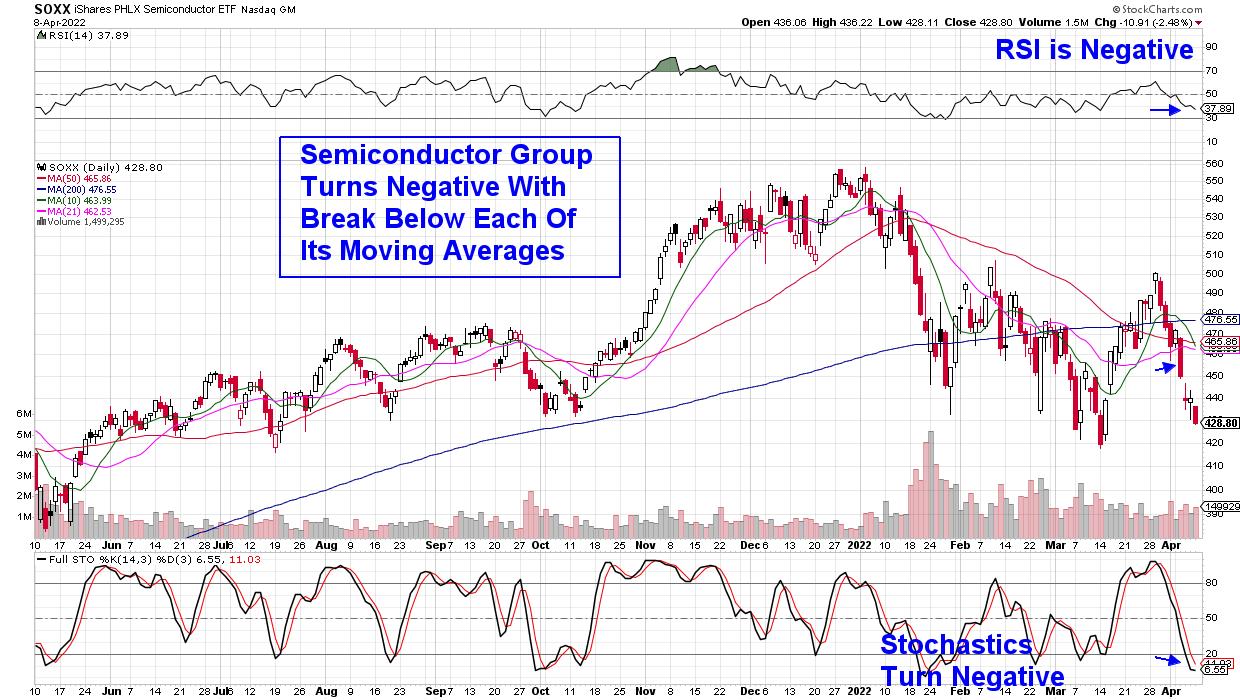
Comparing the historical performance of stocks refers to the analysis of how a stock’s price has fluctuated over a specific period. Investors and financial analysts often conduct these comparisons to understand trends, identify potential investment opportunities, and assess the risk associated with particular stocks. This comparison can be done between different stocks or between a single stock and a benchmark index.
Key Factors to Consider
When comparing the historical performance of stocks, several factors should be taken into account. These include the stock’s return on investment, dividend yield, price-to-earnings ratio, market capitalization, and the overall economic environment. Additionally, sector-specific trends, company fundamentals, and historical volatility are also essential considerations.
Common Scenarios and Examples
For instance, an investor might compare the historical performance of tech stocks with healthcare stocks over the past decade to decide which sector presents better investment opportunities. Alternatively, a financial analyst might compare a company’s stock performance with a benchmark index like the S&P 500 to assess whether it has outperformed or underperformed the market.
Practical Takeaways for Readers
- Understanding the historical performance of stocks can help investors make more informed investment decisions.
- Historical performance should not be the sole factor considered when investing in stocks. Current market conditions, future projections, and individual financial goals should also be taken into account.
- Investors should review company reports, financial news, and market analysis from reputable sources to stay informed.
Important Notice
This content is for informational purposes only and does not constitute financial or investment advice. Readers should conduct their own research or consult qualified professionals before making decisions.
Frequently Asked Questions
What is Comparing Historical Performance of Stocks?
Comparing historical performance of stocks is the analysis of how a stock’s price has changed over a specific period, usually compared with other stocks or a benchmark index.
Why is Comparing Historical Performance of Stocks widely discussed?
This topic is widely discussed because it helps investors understand market trends, assess risk, and make informed investment decisions.
Is Comparing Historical Performance of Stocks suitable for everyone to consider?
While it can be a useful tool, it may not be suitable for all investors. Individual financial goals, risk tolerance, and investment knowledge should be considered.
Where can readers learn more about Comparing Historical Performance of Stocks?
Readers can learn more about comparing historical performance of stocks through official filings, company reports, or reputable financial publications such as The Wall Street Journal and Bloomberg.
Understanding complex topics takes time and thoughtful evaluation. Staying informed, asking the right questions, and maintaining a long-term perspective can help readers make more confident decisions over time.