What This Page Covers
This page provides an informational overview of comparing stocks across different market conditions, focusing on publicly available data, context, and commonly discussed considerations. It is designed to help readers understand the topic clearly and objectively.
Understanding Comparing Stocks Across Market Conditions
Comparing stocks across market conditions involves the analysis of a company’s stock performance in relation to various market conditions. Investors and financial analysts typically do this to understand how a stock performs under different economic scenarios. This comparison helps in making informed decisions about buying, holding, or selling stocks. The analysis also aids in portfolio diversification and risk management.
Key Factors to Consider
When comparing stocks across market conditions, investors often consider factors such as company fundamentals, industry trends, economic indicators, and market sentiment. These factors provide insight into a company’s performance and its ability to generate returns despite market fluctuations. Additionally, historical stock performance, dividend yield, price-to-earnings ratio, and the company’s growth potential are other key considerations.
Common Scenarios and Examples
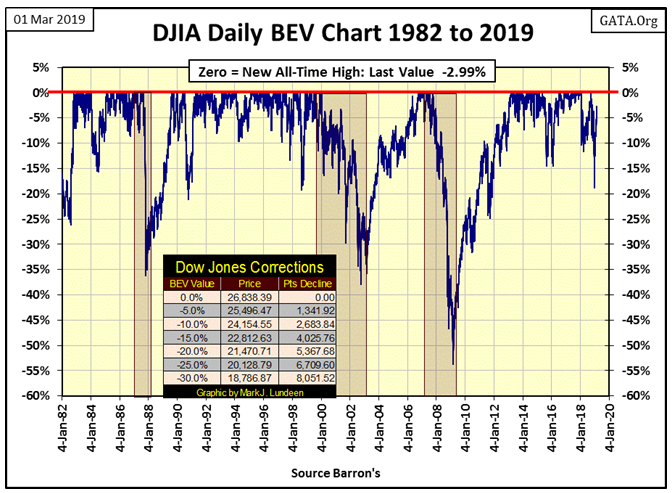
For instance, during a bullish market, growth stocks usually outperform value stocks. This is because investors are willing to pay a premium for growth in a strong economy. On the other hand, in a bear market, value stocks often outperform as investors seek out stable, undervalued companies with strong fundamentals. By comparing stocks across these market conditions, investors can better understand their potential risk and return.
Practical Takeaways for Readers
- Not all stocks perform equally under identical market conditions. Understanding this can aid in portfolio diversification.
- Comparing stocks across market conditions is not about predicting the market but understanding how different stocks react to various market scenarios.
- Readers can use financial news, company reports, and financial analysis tools to conduct this comparison independently.
Important Notice
This content is for informational purposes only and does not constitute financial or investment advice. Readers should conduct their own research or consult qualified professionals before making decisions.
Frequently Asked Questions
What is Comparing Stocks Across Market Conditions?
Comparing stocks across market conditions is the analysis of a company’s stock performance under different economic scenarios to make informed investment decisions.
Why is Comparing Stocks Across Market Conditions widely discussed?
This topic is widely discussed because it helps investors understand how various stocks perform under different market conditions, aiding in risk management and investment decision-making.
Is Comparing Stocks Across Market Conditions suitable for everyone to consider?
While it’s a valuable approach, its suitability may vary based on an individual’s investment goals, risk tolerance, and understanding of market dynamics. It’s always best to seek professional advice before making investment decisions.
Where can readers learn more about Comparing Stocks Across Market Conditions?
Readers can learn more about this topic by reviewing company reports, official filings, and reputable financial publications. Financial news and analysis tools also provide valuable insights.
Understanding complex topics takes time and thoughtful evaluation. Staying informed, asking the right questions, and maintaining a long-term perspective can help readers make more confident decisions over time.