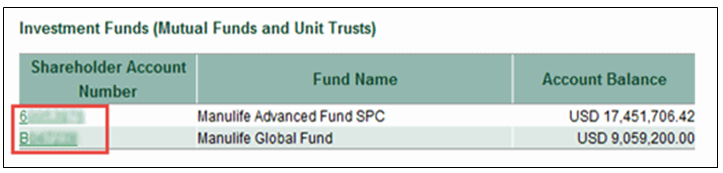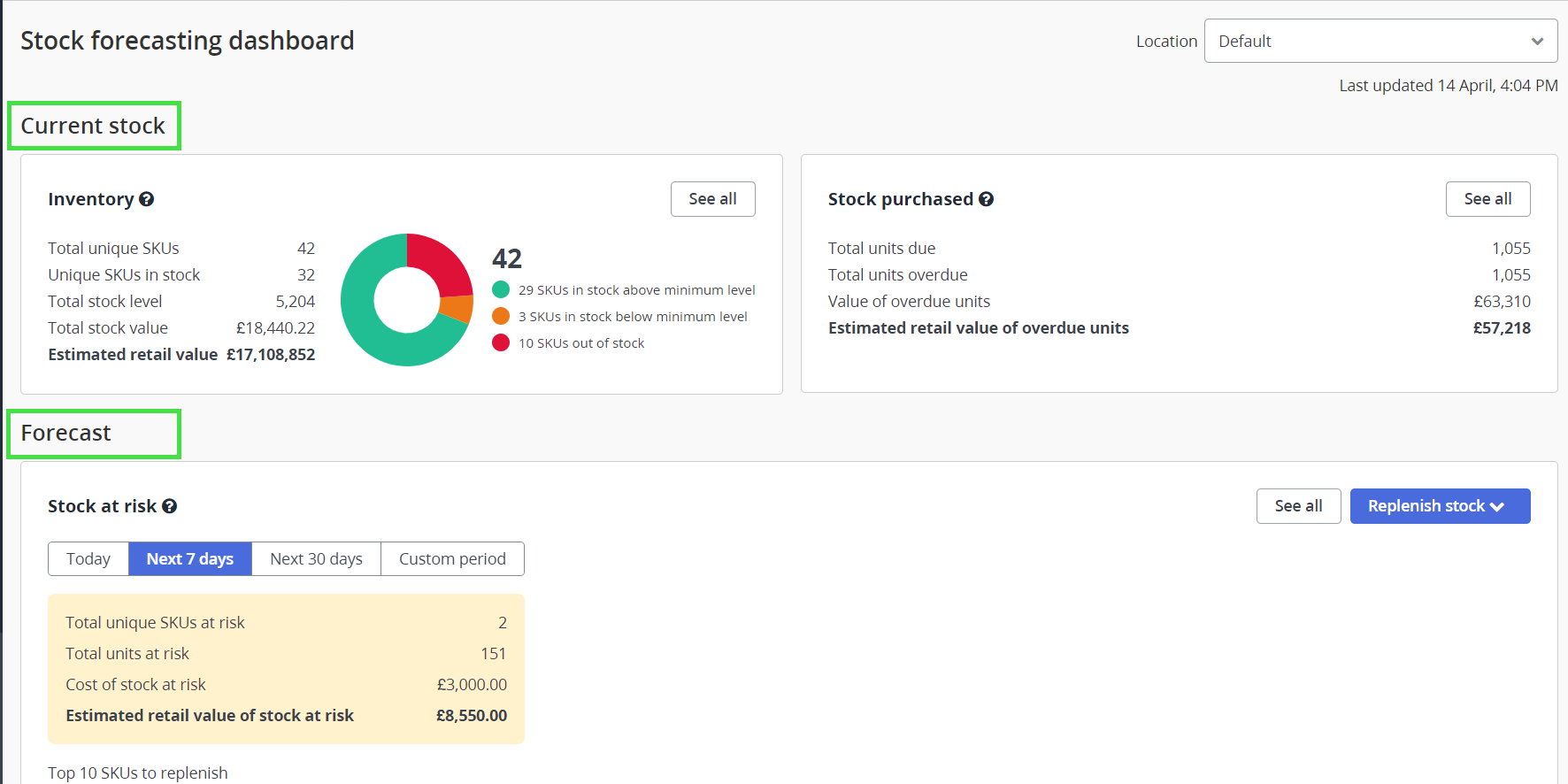
What This Page Covers
This page provides an informational overview of Interpreting Comparison Results Correctly, with a particular focus on financial analysis, the significance of publicly available data, context, and commonly discussed considerations. It is designed to offer readers a clear and objective understanding of this essential aspect of financial decision-making.
Understanding Interpreting Comparison Results Correctly
Interpreting Comparison Results Correctly is a crucial aspect in the field of financial analysis and investment. It involves the accurate and comprehensive understanding of the comparative analysis results, and the ability to extract meaningful insights from them. This process is vital as it helps investors and financial analysts make informed decisions based on data-driven insights rather than assumptions or predictions. It is widely discussed because it forms the backbone of any sound investment or financial decision-making process.
Key Factors to Consider
Several factors influence the process of Interpreting Comparison Results Correctly. These include the reliability of data sources, the comprehensiveness of the data, understanding of financial metrics, context of comparison (like time period, industry standards, etc.), and the analytical skills of the interpreter. It is also important to consider any external market factors or economic indicators that may impact the results.
Common Scenarios and Examples
Let’s consider a scenario where an investor is comparing the financial performance of two companies before deciding where to invest. The investor must accurately interpret the comparison results, considering factors such as profitability ratios, debt ratios, growth trends, and industry-specific metrics. Misinterpretation of these comparative results could lead to ill-informed investment decisions.
Practical Takeaways for Readers
- Interpreting comparison results correctly is not just about understanding the numbers, but also about understanding the context and the factors influencing those numbers.
- A common misunderstanding is that higher numbers always indicate better performance. However, various factors like industry standards, market conditions, company size, etc., should be taken into account.
- Readers should review financial statements, reputable financial news and analysis sources, and official filings to gather comprehensive and accurate data for comparison.
Important Notice
This content is for informational purposes only and does not constitute financial or investment advice. Readers should conduct their own research or consult qualified professionals before making decisions.
Frequently Asked Questions
What is Interpreting Comparison Results Correctly?
Interpreting Comparison Results Correctly is the process of accurately understanding and drawing meaningful insights from comparative analysis results, particularly in financial contexts.
Why is Interpreting Comparison Results Correctly widely discussed?
This process is integral to making informed financial decisions and is thus a widely discussed topic among investors, financial analysts, and anyone involved in financial decision-making.
Is Interpreting Comparison Results Correctly suitable for everyone to consider?
While the basic concept can be understood by anyone, accurate interpretation of financial comparisons often requires a certain level of financial knowledge and analytical skills. However, with the right resources and learning, anyone can improve their ability to interpret comparison results correctly.
Where can readers learn more about Interpreting Comparison Results Correctly?
Readers can learn more from financial textbooks, online courses, financial news and analysis websites, company financial statements, and official filings.
Understanding complex topics like Interpreting Comparison Results Correctly requires time and thoughtful evaluation. By staying informed, asking the right questions, and maintaining a long-term perspective, readers can make more confident and informed decisions over time.