What This Page Covers
This page provides a comprehensive overview of PEG ratio, a key financial metric used in valuation, adjusted for growth. Using publicly available data and commonly discussed considerations, this page aims to demystify the PEG ratio and help readers understand its implications in the field of finance.
Understanding PEG Ratio: Valuation Adjusted for Growth
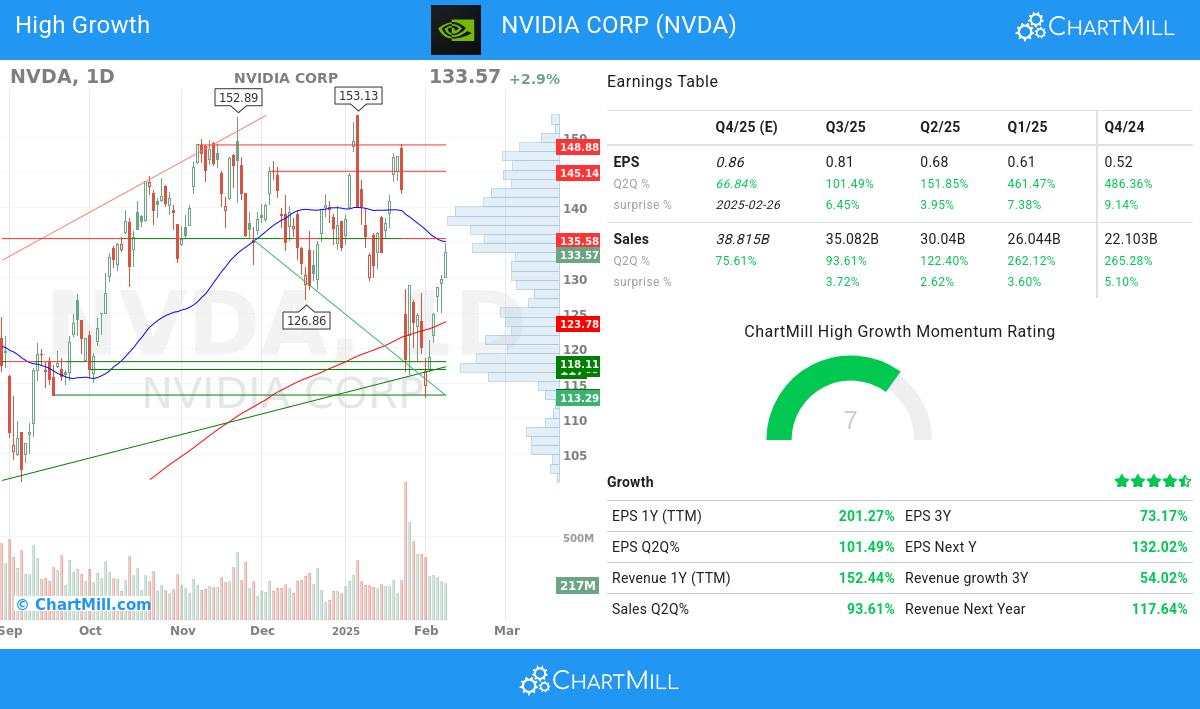
The Price/Earnings to Growth (PEG) ratio is a valuation metric for determining the relative trade-off between the price of a stock, the earnings generated per share (EPS), and the company’s expected growth. In simple terms, the PEG ratio adjusts the traditional P/E ratio for the company’s growth rate. This is important because companies with higher growth rates are typically expected to produce higher earnings in the future, and therefore, they generally have higher P/E ratios.
Key Factors to Consider
When analyzing the PEG ratio, several key factors should be considered. These include the company’s projected earnings growth rate, the company’s P/E ratio, and the overall market conditions. Additionally, the PEG ratio should be used in conjunction with other financial metrics to provide a more comprehensive view of a company’s financial health and long-term growth prospects.
Common Scenarios and Examples
For instance, consider two companies with the same P/E ratio. One company, however, has a higher expected growth rate. In this scenario, the company with the higher growth rate would have a lower PEG ratio, indicating that it may be undervalued compared to its counterpart. This example illustrates how the PEG ratio can be used to compare companies within the same industry or sector, providing a more nuanced view of their relative value.
Practical Takeaways for Readers
- The PEG ratio is a dynamic valuation tool that adjusts for growth, providing a more nuanced view of a company’s potential value.
- It is essential to remember that the PEG ratio is just one tool among many in the financial analysis toolbox. It should be used in conjunction with other financial metrics for a comprehensive evaluation.
- Readers seeking to understand the PEG ratio in greater depth might want to review company financial statements, earnings reports, and independent analysts’ forecasts.
Important Notice
This content is for informational purposes only and does not constitute financial or investment advice. Readers should conduct their own research or consult qualified professionals before making financial decisions.
Frequently Asked Questions
What is PEG Ratio: Valuation Adjusted for Growth?
The PEG Ratio is a valuation metric that adjusts the Price/Earnings (P/E) ratio of a company for its expected growth rate.
Why is PEG Ratio: Valuation Adjusted for Growth widely discussed?
The PEG ratio is widely discussed because it offers a way to compare companies with different growth rates. By adjusting for growth, it offers a more nuanced view of a company’s relative value.
Is PEG Ratio: Valuation Adjusted for Growth suitable for everyone to consider?
While the PEG ratio is a useful tool for financial analysis, its suitability may vary based on individual circumstances, investment objectives, and risk tolerance.
Where can readers learn more about PEG Ratio: Valuation Adjusted for Growth?
Readers can learn more about the PEG ratio by reviewing company financial statements, earnings reports, and independent analysts’ forecasts. Reputable financial publications and websites also provide valuable insights.
Understanding complex financial topics like the PEG ratio requires time, patience, and thoughtful evaluation. By staying informed and asking the right questions, readers can make more confident and informed financial decisions over time.